
A focused evaluation of pain, swelling, stiffness, and stability.
OrthoFairfax · Fairfax, Virginia
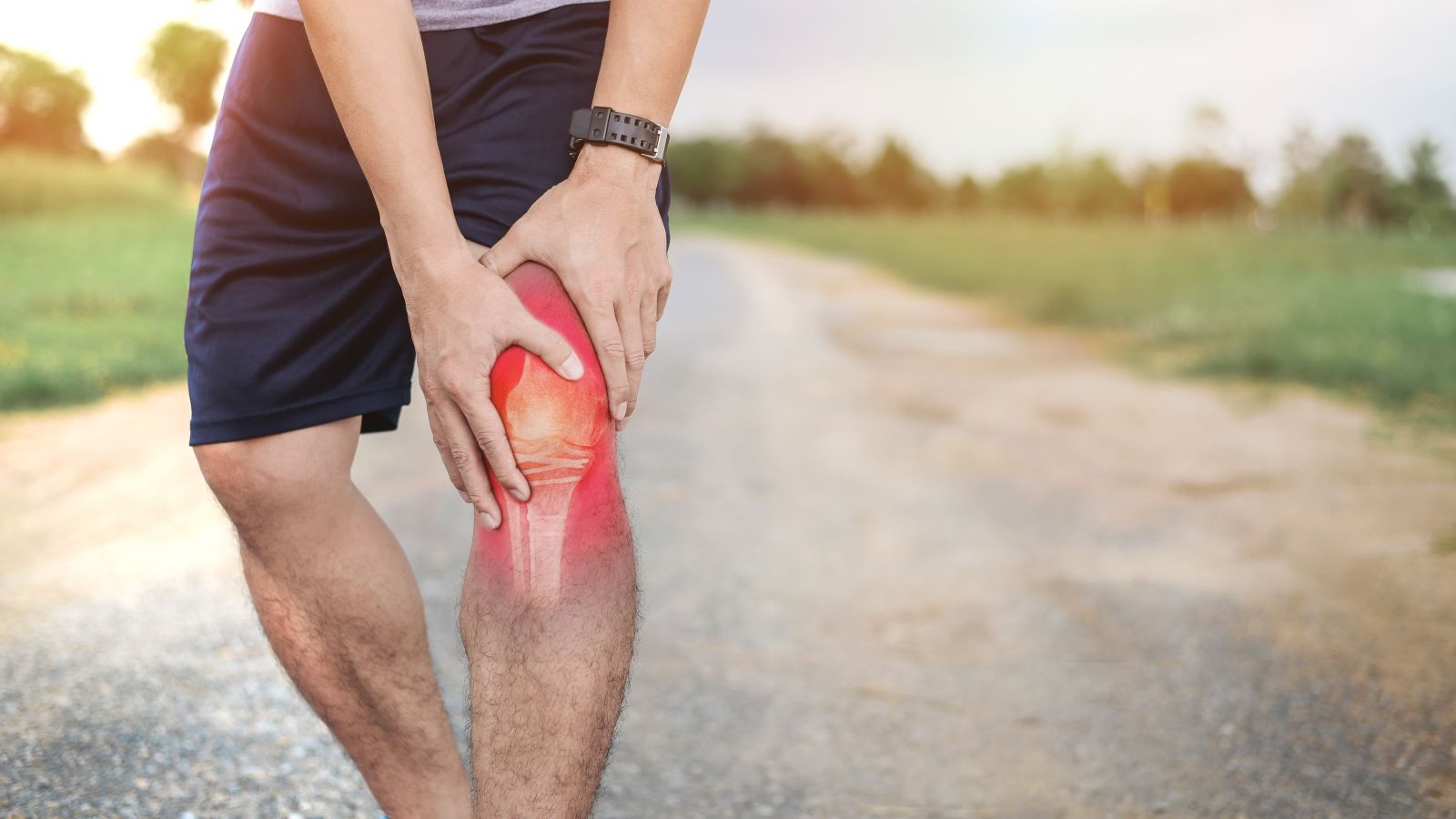
Knee Pain
Learn about common causes of knee pain, stiffness, swelling, and movement limitations.
Why OrthoFairfax
A more thoughtful approach to knee pain
Care tailored to your symptoms, daily activities, and goals.
Musculoskeletal ultrasound when it can help assess selected structures.
Individualized non-surgical options, including rehabilitation and activity guidance.
Ultrasound-guided injections or other treatments when clinically appropriate.
A plan shaped around your priorities, with benefits, limitations, and alternatives discussed with you.
Conditions affecting the Knee
Knee symptoms can come from cartilage, ligaments, tendons, or the joint itself. These are common examples—not a diagnosis.
Learn more
Understanding these conditions
Explore what each condition may involve and the symptoms people commonly notice.
Knee Osteoarthritis
Osteoarthritis develops as the cushioning cartilage in the knee changes over time. It may cause aching, stiffness after sitting or waking, swelling, and discomfort with walking or stairs.
Meniscus Tear
The meniscus is a pair of cartilage pads that help cushion and stabilize the knee. A tear may cause pain along the joint line, swelling, catching, or difficulty bending and straightening the knee.
ACL or Other Ligament Injury
Ligaments connect bones and help keep the knee stable. An injury may happen with a twist, sudden stop, or change of direction and can cause swelling, pain, or a feeling that the knee may give way.
Patellofemoral Pain
This pain occurs around or behind the kneecap, often during stairs, squats, running, or sitting with the knee bent for a long time. It can be related to how the kneecap and surrounding tissues handle load.
Knee Bursitis
Small fluid-filled sacs called bursae reduce friction around the knee. When irritated, they can cause localized tenderness and swelling, sometimes over the kneecap or along the inner side of the knee.
Patellar Tendinopathy
The patellar tendon connects the kneecap to the shinbone and helps straighten the knee. Overuse can cause pain just below the kneecap, especially with jumping, running, or repeated squatting.
These descriptions are for general education. Similar symptoms can have different causes; a clinician can help determine what may be contributing to your symptoms.
Learn about common causes of knee pain, stiffness, swelling, and movement limitations. Symptoms can have different causes, and a careful assessment is important before deciding what to do next.
When to consider an evaluation
Consider discussing symptoms with a healthcare professional if they persist, recur, interfere with normal activities, or are associated with swelling, stiffness, weakness, or reduced movement. The history of the problem and a physical examination help guide next steps.
What an evaluation may include
Depending on your symptoms, an evaluation may include a review of your medical history, a physical examination, and consideration of imaging or other tests when appropriate. Not every patient needs imaging, and the best test depends on the clinical question.
Understanding treatment options
Options depend on the cause and severity of symptoms, your health, and your goals. A clinician may discuss activity changes, rehabilitation, medications, selected injections, or referral for further assessment. Each option has potential benefits, limitations, and risks.
Questions to ask
- What are the likely causes of my symptoms?
- What should we do to clarify the diagnosis?
- Which treatment options are reasonable for my situation?
- What are the benefits, risks, alternatives, and expected costs?
This page provides general education only and is not a diagnosis or personal medical advice. Sudden severe symptoms, major injury, inability to use or bear weight on the affected area, or new significant weakness may need urgent medical assessment.
Content review: This page must be reviewed by the practice clinician before publication. Add a verified reviewer and review date.
Frequently Asked Questions
Answers to common questions. Your clinician can help apply this information to your individual situation.
What are common causes of knee pain?
Knee pain may be related to osteoarthritis, meniscus or ligament injuries, patellofemoral pain, bursitis, or tendon problems. Swelling, instability, injury history, and pain location help guide assessment.
Does knee pain always mean arthritis?
No. Arthritis is one possible cause, but knee pain can also come from tendons, bursae, cartilage, ligaments, or surrounding muscles. An evaluation helps identify the likely source.
When should knee pain be checked?
Arrange an assessment for persistent or recurring pain, swelling, stiffness, or a knee that catches or gives way. After an injury, inability to bear weight, major swelling, deformity, or severe pain needs prompt medical attention.
Will I need an MRI for knee pain?
Not always. A history and physical examination may be enough to start planning care. Imaging is considered when it can help answer a specific question or change the treatment plan.
What non-surgical options may be considered for knee pain?
Depending on the cause, options may include activity adjustments, exercise or physical therapy, medication when appropriate, bracing, and selected injections. Benefits and limitations vary by diagnosis and individual.
This information is for general education and is not a substitute for an individualized medical evaluation. Seek urgent care for severe or rapidly worsening symptoms.
ORTHOFAIRFAX · FAIRFAX, VIRGINIA
Questions about knee pain?
Contact OrthoFairfax to ask about scheduling and the next step for your concern.